
Disclaimer: This post may contain affiliate links, which means I may earn a commission if you purchase a product after clicking a link to another website. As an Amazon Associate I earn from qualifying purchases. These commissions help pay for website expenses. All opinions are my own.
When we were first looking at buying a home in the Palm Springs area, people told us that our electricity bill would be higher than what we were used to in our one-bedroom condo in Los Angeles. But they didn’t explain how much higher! We just assumed they meant something like $150 vs $100.
We moved Memorial Day weekend of 2021, finally getting into our new home the second week of June. It was a hot month. Towards the end of June, the temperature hit 124 degrees. Yes, it’s a dry heat in the desert, as I’m sure you’ve heard people say. But still, anything over 120 degrees is really hot. Thankfully we had a pool to cool off in, but mainly we were running the air conditioning 24/7. And both the pool pump and the AC use a lot of energy.
So we were enjoying our new house, unpacking, ordering new furniture, doing the stuff you normally do after moving. Little did we know that we were about to get a huge shock in the form of our July electric bill. It was over $700! We knew it was going to be higher than we were used to, but that was not what we had expected.
My husband and I had talked about getting solar panels before we moved in. We figured it was a good investment, and since the Coachella Valley has such abundant sunshine, it almost seemed like a waste of all that sun power to not get solar panels. But when we got that July bill from Southern California Edison, we decided solar was something we had to do sooner rather than later. We reached out to the two main solar installation companies here in the desert – Renova and Hot Purple – and eventually decided to go with Renova.
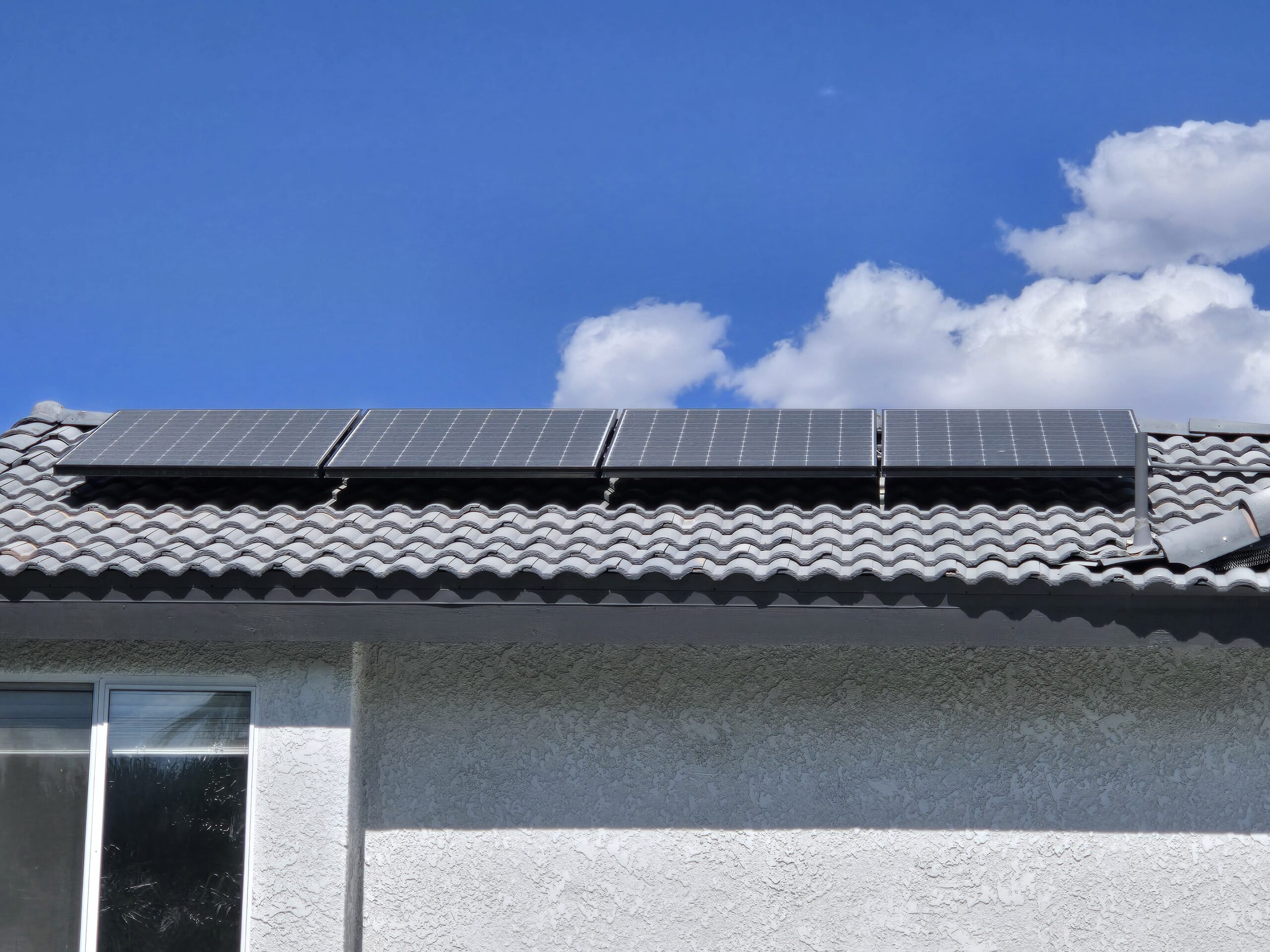
By mid-September, we had solar panels on our roof generating energy. We went with Sunpower panels, because they were made in the USA, and they have individual inverters on each panel. That means that if an inverter fails, only one solar panel stops functioning – not all of them. Unfortunately Sunpower just recently went bankrupt, which was a huge shock to us (and apparently the solar industry in general). But our panels still work just fine.
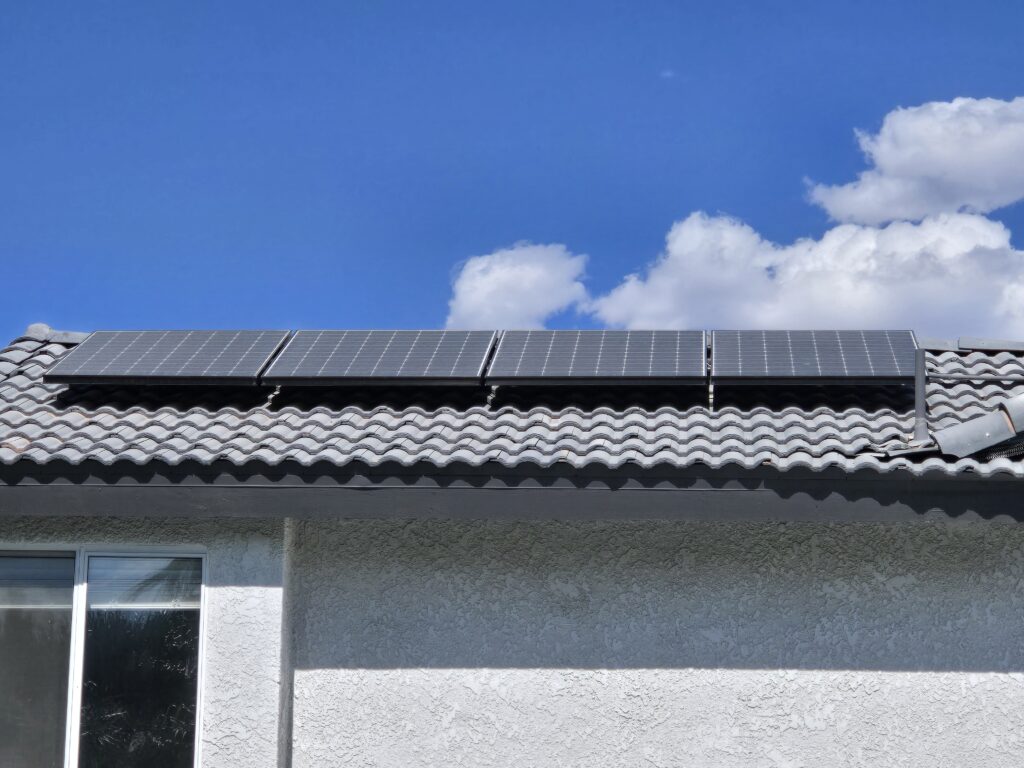
We chose to purchase our panels outright, instead of leasing or financing them. That made us eligible to get a federal tax credit which we were able to apply against our income taxes for two years. They weren’t cheap, but they were the one really large investment we’ve made in our home so far. Three years later, I think we made the right decision. Thanks to solar energy, we haven’t paid one cent in electric bills since September of 2022.
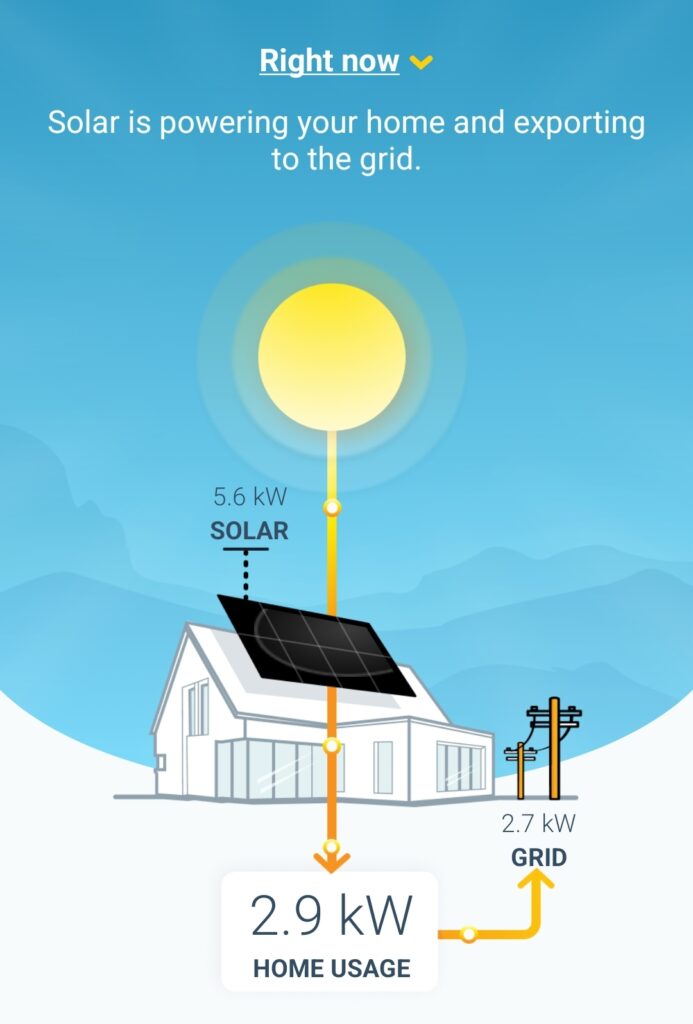
My favorite thing about having solar panels is we can see our energy usage in real time through an app. When they were first installed, we went around the house turning things on and off so we could see how much energy they used. We discovered that our ceiling fans use hardly any energy, which is great because they’re ideal during the spring and fall. And we could see that our swamp cooler, which naturally cools the air using water, used about a quarter of the energy than our AC does. This testing has allowed us to really optimize our energy use and maximize our solar savings over the last few years.
Ultimately, if you live in an area that gets a lot of sun, solar panels are a great investment. I can’t recommend them enough.